


That Sharp Pain After Eating? It Could Be Gallstones, A Common Condition That Often Appears During or After Pregnancy
- Simran Kapoor
- Apr 21
- 5 min read

Sarah, a new mom, ignored her abdominal pain for weeks—until it became severe enough to send her to the ER.
What did further investigations reveal?
Warning signs you shouldn’t ignore! Here`s why!
After pregnancy, your body goes through rapid physical and hormonal changes. While most new moms focus on recovery and baby care, some health issues can quietly develop in the background. One of the most common yet overlooked conditions is gallstones after pregnancy, especially among women dealing with gallstones Singapore cases where lifestyle and diet patterns play a role.
Many women experience symptoms like abdominal pain or indigestion but often ignore them, assuming they are part of postpartum recovery. However, understanding post-pregnancy gallstones, their causes, symptoms, and treatment options can help you take timely action and avoid serious complications.
If you are experiencing symptoms and looking for expert care, consulting a gallbladder specialist in Singapore can help ensure accurate diagnosis and timely treatment.
What Are Gallstones?

Gallstones are small, hard deposits that form in the gallbladder, a small organ located beneath the liver. The gallbladder stores bile, a digestive fluid that helps break down fats.
There are two main types of gallstones:
Cholesterol stones: The most common type, caused by excess cholesterol in bile
Pigment stones: Formed due to excess bilirubin
Gallstones develop when the balance of substances in bile is disrupted or when the gallbladder does not empty properly. Over time, these substances crystallize and turn into stones.
How Common Is This?
Gallstones during and after pregnancy are more common than many people realize.
Studies show that up to 10–12% of women develop gallstones during pregnancy or shortly after delivery
Around 1–3% of women experience symptoms severe enough to require medical treatment
Many cases remain silent (asymptomatic) and are only discovered during imaging tests
Why this matters: Many women assume their symptoms are “normal postpartum discomfort,” which can delay diagnosis.
The risk of gallstones after pregnancy increases due to several physiological changes:
Hormonal Changes
During pregnancy, estrogen increases cholesterol levels in bile, while progesterone slows down gallbladder contractions. This makes bile stay longer in the gallbladder, increasing the chances of stone formation.
Rapid Weight Loss
After delivery, many women lose weight quickly. Rapid weight loss causes the liver to release more cholesterol into bile, which can lead to post-pregnancy gallstones.
Reduced Gallbladder Movement
Hormonal shifts can reduce how effectively the gallbladder empties, allowing bile to become concentrated and form stones.
Lifestyle Changes
Irregular eating patterns, lack of sleep, and a high-fat diet during postpartum recovery can further increase the risk.

Symptoms of Gallstones After Pregnancy
Recognizing early symptoms of gallstones after pregnancy is crucial for timely treatment.
Common Symptoms
Sharp pain in the upper right abdomen
Pain after eating fatty foods
Nausea and vomiting
Bloating and gas
Indigestion
Severe Symptoms
Intense and prolonged abdominal pain (gallbladder attack)
Fever and chills
Yellowing of the skin or eyes (jaundice)
If you experience severe symptoms, it may indicate a blockage or infection and requires immediate medical attention.
Risk Factors for Developing Gallstones
Some women are more likely to develop post-pregnancy gallstones due to specific risk factors:
Multiple pregnancies
Obesity or excessive weight gain
Rapid postpartum weight loss
Family history of gallstones
Age above 30
Poor diet high in fats and low in fiber
Understanding these risk factors can help you take preventive steps early.
Diagnosis of Gallstones
If symptoms suggest gallstones, a gallbladder specialist Singapore may recommend the following tests:
Ultrasound
Ultrasound imaging is the most common and effective method to detect gallstones.
Blood Tests
Blood tests help identify infection, inflammation, or bile duct blockage.
Physical Examination
Doctors may check for tenderness in the abdominal area and review your symptoms.
Early diagnosis of gallstones after pregnancy ensures better treatment outcomes.
Treatment Options for Gallstones After Pregnancy
Treatment depends on the severity of symptoms and the size of the stones.
Non-Surgical Treatment
Low-fat diet
High-fiber intake
Medication for small stones
Diet does NOT dissolve gallstones reliably
Diet helps manage symptoms, but does not eliminate existing stones
Surgical Treatment
The most effective solution is gallbladder removal. Doctors use laparoscopic surgery for faster recovery.
Many patients choose removal because hospitals offer advanced procedures and short recovery times.
Is Surgery Safe After Pregnancy?
Yes. Gallbladder surgery in Singapore is safe. Most women recover quickly and resume normal life within days to 2 weeks. Breastfeeding can continue with guidance.
Diet and Prevention Tips for New Moms
Managing your diet plays a key role in preventing and controlling gallstones after pregnancy.
Foods to Eat:
Fresh fruits and vegetables
Whole grains
Lean proteins
Fiber-rich foods
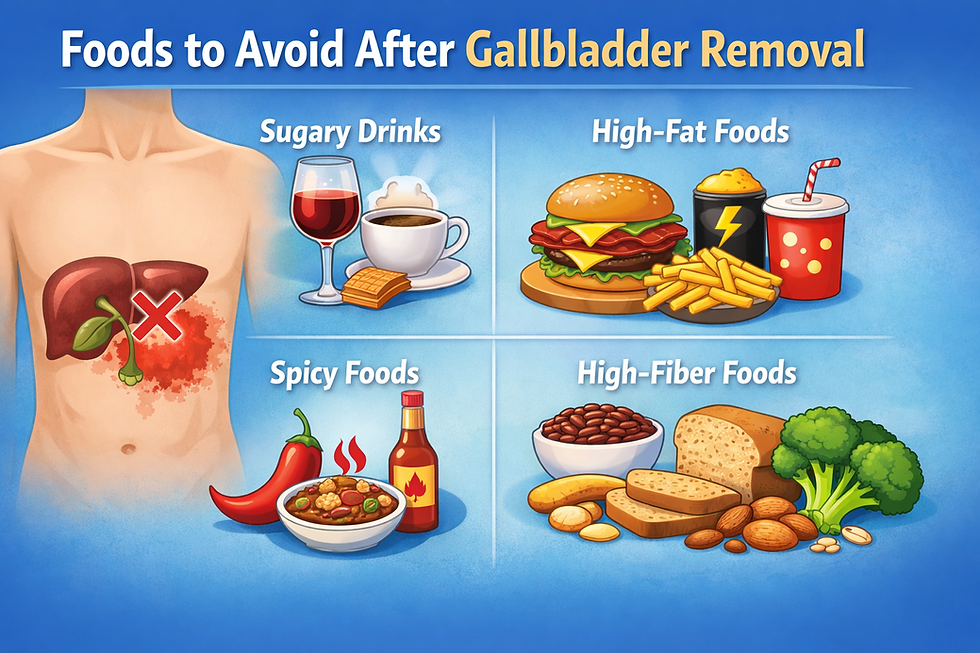
Foods to Avoid:
Fried and oily foods
Processed snacks
High-sugar foods
Healthy Habits
Aim for gradual, steady weight loss
Eat smaller, frequent meals
Stay hydrated
Include light exercise like walking
These lifestyle changes reduce the risk of symptoms and support overall postpartum recovery.
When Should New Moms See a Doctor?
It is important to seek medical help if you notice:
Moderate to Severe abdominal pain lasting more than a few hours
Repeated episodes of pain after meals
Fever, chills, or jaundice
Ignoring symptoms of post-pregnancy gallstones can lead to complications such as infections or blockage of bile ducts, which may require emergency treatment.
Conclusion: Know the Signs Early
Gallstones after pregnancy are more common than many realize, but they are manageable with the right awareness and care. From hormonal changes to rapid weight loss, several factors contribute to this condition in new moms.
By understanding the symptoms, risk factors, and treatment options for post-pregnancy gallstones, you can take proactive steps to protect your health.
If you notice warning signs, act fast. Do not ignore pain or delay diagnosis. Consulting a gallbladder specialist in Singapore at ALPS Clinic provides expert care, modern diagnostics, and personalized treatment to help you recover with confidence.
Take action early. That decision protects your health and prevents complications.
Additional Considerations
Impact on Breastfeeding
Many new mothers worry about how gallstones—and treatment—affect breastfeeding.
Good news:
Gallstones themselves do NOT affect breast milk or breastfeeding
You can usually continue breastfeeding safely
If surgery is needed:
Laparoscopic surgery is generally safe postpartum
Most anesthesia medications are compatible with breastfeeding
In many cases, you can:
Resume breastfeeding within hours to a day, depending on medical advice
Important considerations:
Always inform your doctor that you are breastfeeding
Some medications (e.g., certain painkillers) may require temporary adjustments
Treatment of Gallstones During Pregnancy
Managing gallstones during pregnancy requires a careful and conservative approach to protect both the mother and the baby. Treatment depends on the severity of symptoms and whether complications are present.
1. Conservative (Non-Surgical) Management
For most pregnant women, especially those with mild or occasional symptoms, doctors recommend non-surgical treatment.
Low-fat diet
Reduces gallbladder stimulation and helps prevent pain episodes
Small, frequent meals
Helps digestion and reduces pressure on the gallbladder
Hydration
Supports overall digestive health
Pain management
Safe medications may be prescribed under medical supervision
This approach is usually preferred during pregnancy unless symptoms become severe.
2. Monitoring and Observation
If gallstones are found but no symptoms are present, doctors typically recommend:
Regular monitoring
Watching for warning signs
No immediate intervention
Many cases are managed until after delivery
3. When Is Surgery Needed During Pregnancy?
Although avoided when possible, surgery may be necessary if complications occur.
Indications for surgery:
Repeated severe pain (biliary colic)
Acute cholecystitis (gallbladder infection)
Blocked bile duct
Pancreatitis caused by gallstones
Is Surgery Safe During Pregnancy?
Yes—when needed, laparoscopic gallbladder surgery can be performed safely.
Considered relatively safe in the second trimester
Minimally invasive → faster recovery
Reduces the risk of serious complications if symptoms are severe
Delaying necessary surgery can sometimes be more risky than the procedure itself
What About Medications?
Many medications are avoided, and the doctor will prescribe what is safe during pregnancy.

Comments